December 8, 2025
Tips
The Best App to Quit Smoking on iOS in 2026
Explore the benefits of using the Kwit app to quit smoking, backed by science and personal success stories. See why it's the top choice for a smoke-free life in 2026.
Introduction to Quitting Smoking in the Digital Age
In the bustling world of 2026, where technology forms the backbone of daily life, there's a growing awareness of the importance of health and well-being. Among these health pursuits, quitting smoking remains at the forefront, recognized as a vital step towards a healthier lifestyle. In a society increasingly focused on self-improvement and longevity, shedding the habit of smoking is more relevant than ever. As the dangers of smoking continue to be prominent in public health discussions, the determination to quit grows stronger. However, breaking away from nicotine—a powerfully addictive substance—remains a challenging endeavor.
This is where technology, particularly the innovative world of mobile apps, comes into play. Mobile applications serve as personal coaches that fit conveniently in one's pocket, providing resources and support tailored to individual needs. These apps use a mix of psychological insights and user-friendly technology to offer support systems that can help users stay on track. They make it possible to turn quitting smoking into a journey that's not only achievable but also personalized and engaging.
While there are numerous apps available for this purpose, not all offer the same level of effectiveness. It's crucial to find one that accurately understands the behavioral complexities of smoking cessation, offering more than just quit plans or motivational quotes. Enter Kwit—an app uniquely designed to break the chains of nicotine addiction leveraging cutting-edge psychological techniques and positive reinforcement. As we delve deeper into the functionality of Kwit, it becomes clear why it stands out as the best app for quitting smoking in 2026.

The Science of Smoking Addiction: Understanding the Dopamine Cycle
To comprehend the intricacies of smoking addiction, it is crucial to understand the role of the brain's reward system, particularly how dopamine functions within this cycle. Dopamine is a neurotransmitter that plays a critical role in how we experience pleasure and motivation. When you perform an activity essential for survival, such as eating or exercising, dopamine is released, thereby reinforcing those behaviors, making you more likely to repeat them.
However, substances like nicotine hijack this natural pathway. Upon inhalation of cigarette smoke, nicotine swiftly enters the bloodstream, reaching the brain within seconds. Once there, nicotine stimulates the release of large quantities of dopamine, essentially causing an artificial spike in pleasure. This causes a "hit" of gratification that smokers become acutely accustomed to, leading to the habit of addiction.
The challenge is that the brain learns to expect this dopamine boost not just when smoking, but at cues associated with smoking—like finishing a meal or drinking coffee. These cues become habitual triggers, increasing cravings as they remind the brain of the nicotine-induced satisfaction. As this cycle repeats, the natural production of dopamine may adjust, leading to withdrawal symptoms during attempts to quit, which include irritability, difficulty concentrating, and a depressed mood.
Understanding this cycle underscores the necessity for effective cessation tools that can help disrupt these patterns. By targeting the psychological triggers and physiological cravings, apps like Kwit can provide crucial support in overcoming these hurdles. They can offer personalized strategies to break the hold of these triggers by using gamified experiences to create new, healthier habit loops, rewarding users progressively as they reach milestones free of nicotine's grip. Thus, they leverage the brain’s reward system to aid recovery whilst gradually reducing dependence on the false pleasure provided by nicotine.

Why Use an App to Quit Smoking?
In the journey to overcome smoking addiction, leveraging modern technology can offer significant advantages. Quitting smoking with the help of an app can be far more effective than traditional methods, offering personalized strategies and continuous support to those striving to break free from nicotine's hold.
First, consider the power of personalization. Apps like Kwit allow users to tailor their quitting plan based on their unique smoking habits, motivations, and challenges. This customization is crucial since every smoker’s journey is different. Traditional quitting methods often adopt a one-size-fits-all approach that may not address individual triggers and stressors effectively. Customization ensures that the app addresses specific challenges and behaviors that an individual smoker faces in their quitting process.
Moreover, accessibility is a major advantage of using apps. Unlike scheduled counseling sessions or support group meetings, an app is available 24/7, directly from your pocket. This means users can receive support and access resources anytime they feel tempted or are dealing with cravings. For instance, the Kwit app offers features like real-time progress tracking and motivational content, available whenever and wherever needed.
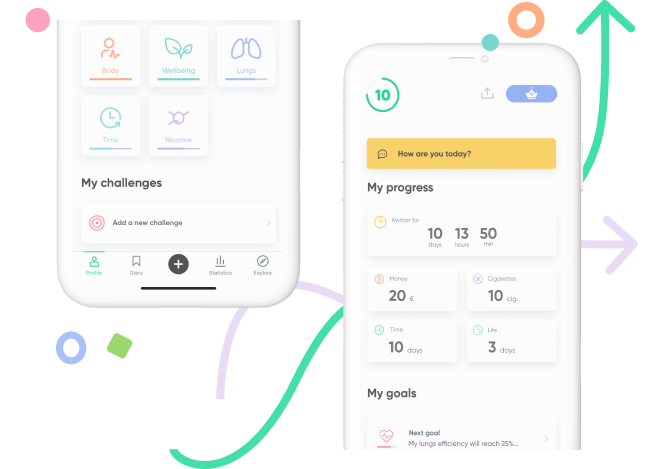
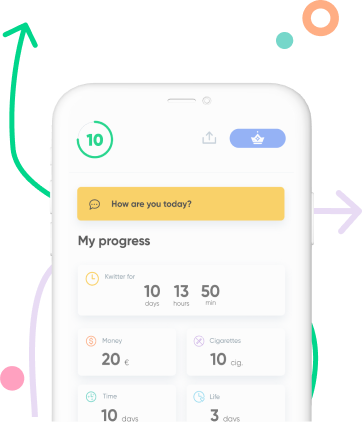
Data tracking is another compelling benefit. Smoking cessation apps use data tracking to monitor users’ progress meticulously—recording everything from cigarettes not smoked to money saved and health benefits gained over time. This real-time feedback not only boosts morale but also helps in setting realistic goals and adapting strategies based on concrete data.
Lastly, community support in apps can emulate group therapy success. Many smoking cessation apps form vibrant online communities where users share their experiences, offer encouragement, and exchange advice. Such communities can foster a sense of belonging and mutual support, which is pivotal during difficult moments on the quitting journey. By creating a familiar digital environment where users can connect with others, apps help break the isolation often associated with quitting smoking.
Therefore, the combination of personalization, accessibility, data-driven insights, and community support makes apps like Kwit essential tools for those determined to quit smoking in today’s digital age.

An Overview of Kwit: Features and Benefits
Kwit stands out amongst its peers as a uniquely innovative app designed with a singular focus: helping users quit smoking effectively. Its developers have ingeniously leveraged a combination of gamification, motivational strategies, and community support to create a compelling experience that not only aids in cessation but also keeps users thoroughly engaged throughout their journey to quit smoking.
At the heart of Kwit is its strategic use of gamification, a powerful tool that turns the challenge of quitting smoking into an engaging and rewarding game-like experience. This is achieved through the introduction of points, levels, and badges that users can earn as they achieve smoking cessation milestones. These elements transform the quitting process into a series of achievable goals, making it less daunting and more approachable. For example, when a user skips a cigarette, they might earn points, allowing them to level up and receive a digital badge. This system not only provides immediate positive reinforcement, which is crucial for maintaining motivation, but also stimulates the release of dopamine—the neurotransmitter involved in reward processing—thereby counteracting the craving-inducing effects of nicotine.
Beyond gamification, Kwit utilizes sophisticated motivational techniques crafted to keep users on track. The app provides daily motivational quotes and personalized messages tailored to individual progress, serving as gentle reminders of the positive strides being made. These messages play into cognitive behavioral therapy principles by reinforcing the benefits of quitting and why users decided to stop smoking initially, thus combating relapses and promoting long-term cessation.
Furthermore, Kwit recognizes the importance of social support, often a critical factor in achieving sustainable behavior change. To address this, the app creates a virtual community space where users can connect, share experiences, and offer encouragement. This support network acts as an extended accountability system, allowing users to feel part of something larger and less isolated in their journey. For many, knowing they’re not alone fosters resiliency and increases the likelihood of success.
Kwit’s design effectively addresses the psychological patterns of addiction, such as the dopamine cycle, by providing alternative rewards that satisfy similar neural pathways. This understanding of addiction science and behavioral psychology allows Kwit to offer a comprehensive support system that doesn’t just rely on willpower alone. Instead, Kwit equips its users with the tools and community needed to thrive in their reality.

Why Kwit is the Best Choice in 2026
Kwit stands apart as the premier smoking cessation app on iOS in 2026 due to its comprehensive approach that integrates behavioral science, user-centered design, and cutting-edge technology. It is more than just an app; Kwit is a complete support system tailored to address each user’s journey through quitting smoking with personalized and dynamic features.
One of the standout features of Kwit is its adaptive personalized program, which evolves as users progress. This approach is backed by scientific research on behavioral changes and the understanding of the dopamine cycle – a key player in addiction. By delivering tailored advice, motivational messages, and coping strategies, Kwit helps reprogram the brain’s addiction pathways, effectively reducing reliance on nicotine. This method not only boosts quitting success rates but also enhances user satisfaction, as evidenced by thousands of positive reviews on the App Store from grateful ex-smokers.
Moreover, 2026 brought significant updates to Kwit, reinforcing its leadership in the market. The latest version includes a machine learning algorithm that learns from user behavior to predict and mitigate potential relapse triggers. This predictive capability showcases Kwit’s commitment to using technology to advance personal health applications. Users also benefit from an improved gamification system, which turns quitting into a journey marked by achievements and rewards, making the challenge more engaging and less daunting.
Kwit’s excellence is reflected in the accolades it has received over the years. It was awarded the "Best Health App" by the Global Mobile Awards in 2026, recognizing its relentless innovation and impact on public health. Such industry recognition validates its effectiveness and the trust users place in it. Kwit's community feature also plays a critical role, offering peer support through forums where users share experiences and encouragement, creating a strong network of mutual support and accountability.
The testimonials from users further amplify Kwit’s success stories. One user mentions, "Kwit saved my life. The app's reminders and progress updates kept me focused, and the supportive community made me feel I wasn’t alone in this battle." Such firsthand endorsements underscore the app’s value in transforming lives and empowering users to take back control from nicotine addiction.
In conclusion, Kwit’s combination of scientifically backed strategies, engaging user experiences, and a supportive community establishes it as the ultimate choice for anyone aiming to quit smoking in 2026. Its continual updates and innovations ensure that it not only meets but exceeds user expectations in providing an effective tool for change.

Real-World Success Stories from Kwit Users
When it comes to hearing firsthand about what makes a quitting app effective, there’s nothing quite like real-world success stories. The experiences of past Kwit users provide invaluable insights into the diverse journeys toward a smoke-free life, fueled by the practical and psychological support the app offers. With over a million downloads, Kwit has a treasure trove of user testimonials that showcase its effectiveness in various scenarios.
Take Sarah, a 35-year-old designer from San Francisco, who had been smoking for over a decade. Her story captures the essence of turning a daunting challenge into a manageable journey. She found that the gamified experience of using Kwit, with its stages and challenges, transformed quitting from an overwhelming hurdle into a series of achievable goals. Sarah particularly valued the app’s positive reinforcement, which came through unlocking achievements and seeing real-time decreases in her body’s carbon monoxide levels. For her, Kwit was a motivational partner that fostered not only a sense of accomplishment but also a healthy routine replacement for her smoking habit.
Then, there’s Michael, a 44-year-old sales manager, who struggled with social smoking pressures. Kwit provided him with a supportive community as well as a personalized quit plan. Michael often cites the ‘craving cards’ feature, which offered motivational messages and advice precisely when temptation hit hardest, as instrumental in his success. This unique feature of the app allowed him to customize his triggers and receive guidance that felt tailor-made.
Another inspiring story is that of Nina, a young professional, who used Kwit after several failed attempts with other methods. She was particularly drawn to the app’s holistic approach, including its integration of relaxing mindfulness exercises. These modules helped her cope with anxiety, a trigger linked to her smoking habit. As she progressed, the app’s health benefits tracker kept her motivated by illustrating tangible improvements in her health, such as better lung capacity and improved circulation.
Each of these stories underscores Kwit’s role not just as a tool, but as a personal coach on the path to quitting smoking. These diverse narratives highlight the power of personalized support systems, proving that with the right mix of motivation, science-backed techniques, and community involvement, overcoming smoking addiction is more than possible—it’s a rewarding journey toward a healthier life.

Conclusion: Taking the First Step Towards a Smoke-Free Life
The journey to quit smoking can seem daunting, but embracing the right tools can make it significantly easier. Kwit positions itself as the ultimate app for quitting smoking on iOS in 2026, combining cutting-edge technology with a user-friendly interface, making the daunting task of quitting accessible and manageable. By leveraging gamification and cognitive behavioral therapy techniques, Kwit uniquely addresses the dopamine cycles and behavioral patterns associated with nicotine addiction.
Downloading Kwit can be your first step towards a healthier, smoke-free future, providing not only support but a personalized roadmap to tackle each craving head-on. Arm yourself with Kwit's resources and community support to ensure every step you take is in the right direction. Don't underestimate the impact of having the right tool in your arsenal; Kwit isn't just an app—it's a trusted ally on your journey to a smoke-free life.